

In the earliest years of life, a child is not simply “preparing” to become someone , they are already someone. Personhood is not a distant destination; it begins from birth. Building a strong foundation for child personhood means nurturing the child as a whole, unique being with inherent dignity, voice, and potential.
Personhood Begins with Recognition
The first act of supporting personhood is to see the child.
When adults slow down, observe, and respond thoughtfully, children feel acknowledged as individuals with feelings, curiosities, and inner worlds.
Recognition communicates, you matter, you exist fully, and your presence has meaning.
Secure Relationships as the Root System
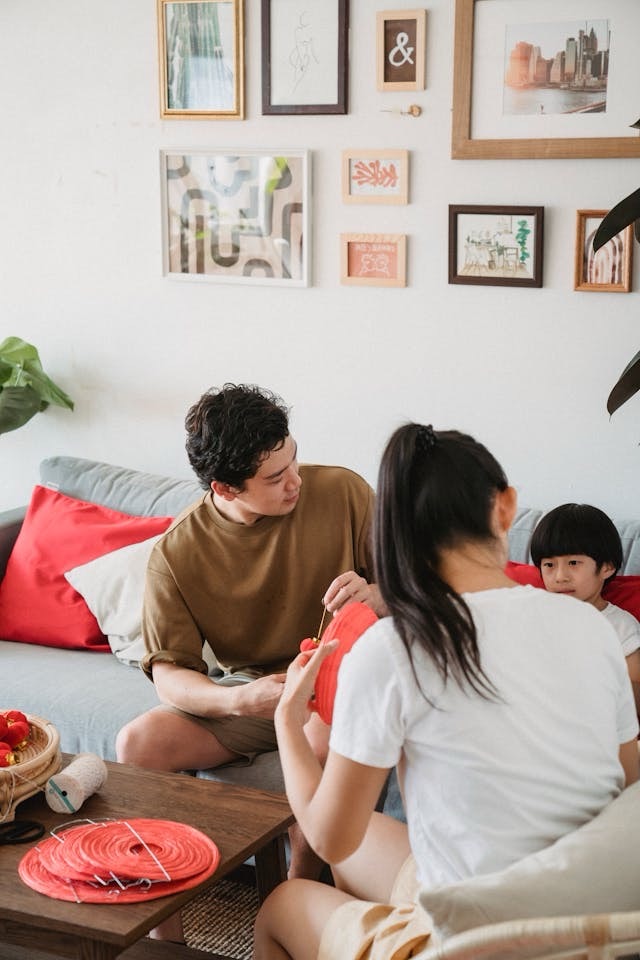
Healthy personhood grows through relationships. A child anchored in warm, consistent, empathetic relationships develops a secure internal foundation. Emotional safety becomes the soil through which identity, self-regulation, and resilience emerge. A child who trusts their caregivers learns to trust themselves.
Autonomy and Voice in Daily Life
Children’s voices must be invited not just heard. When they are allowed to make simple choices, express preferences, and influence their environment, they internalize dignity and agency. These moments of autonomy accumulate into a sense of self-worth and self-direction: I can. I choose. I am.
Play as the Arena of Becoming
Play is where children test ideas, negotiate meaning, and rehearse identity. It is not entertainment; it is self-construction. In open-ended play, children explore who they are, who they can be, and how they relate to the world. Adults who protect and extend play are protecting the child’s inner personhood.
Culture, Story, and Belonging
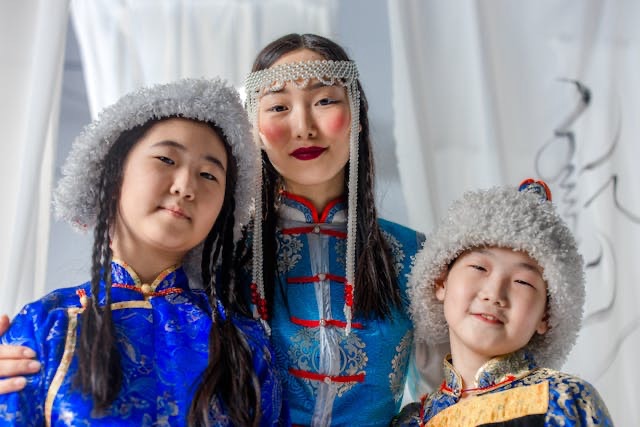
A child’s personhood strengthens when they see themselves reflected in stories, language, traditions, and daily rituals. Culture provides continuity and narrative roots. Through belonging, children learn, where I come from matters, and so do I.
Ethics and Emotional Literacy
Children develop personhood by learning to name feelings, recognize others’ perspectives, and act with kindness. Ethical growth is not taught through rules but through real interactions. Resolving conflicts, making amends, and practicing empathy. These everyday experiences shape a moral self.
Environment as the Third Teacher
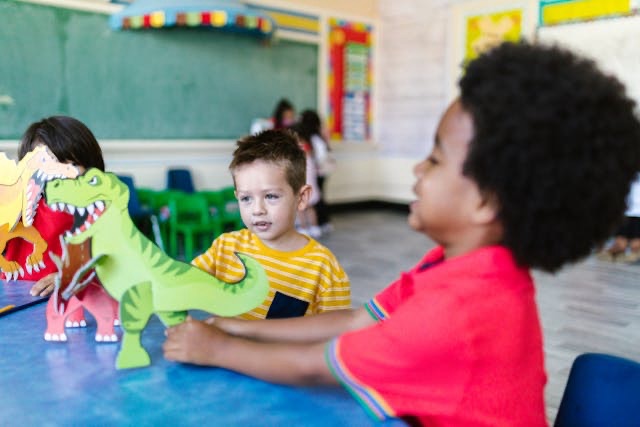
A thoughtful environment respects the child’s personhood. Materials within reach, spaces that invite exploration, and routines that offer rhythm without rigidity. When the environment communicates respect, children feel respected.
In essence
Building a strong foundation for child personhood is not a program; it is a posture. It is a commitment to raising children not as projects but as persons of value, wisdom, and intrinsic power.


6 responses to “Building a Strong Foundation for Child Personhood”
Yes! 😊 As a mom of 4, I totally agree with your article.
LikeLiked by 2 people
I’m glad you find it relatable! 😊🌺🌺
LikeLiked by 1 person
Your reflection transforms childhood from a “becoming” into a fully present, living personhood that begins at birth.
You show how recognition, relationships, autonomy, and play are not extras—they are the architecture of the human self.
This piece doesn’t just describe child development; it redefines dignity at its most elemental level.
LikeLiked by 3 people
Thank you for this deeply thoughtful reflection.
Your words affirm the heart of what I hoped to express—that childhood is not a pathway toward personhood, but a state of personhood in itself, rich with its own logic, needs, and wisdom.
I appreciate how you highlighted recognition, relationships, autonomy, and play as core structures rather than optional features. That has always been the intention: to show that these elements are not “nice to have,” but the actual architecture through which the human self forms, expresses dignity, and experiences belonging.
Your interpretation captures the essence of the piece so precisely that it adds another layer of meaning to it. For that, I’m truly grateful.
LikeLiked by 2 people
Your words reveal that the self isn’t built by instruction, but by inner unfolding.
LikeLiked by 3 people
Yes , the core of the self does unfold from within.
Children aren’t empty containers waiting to be filled.
They come into the world with:
• innate curiosity
• early preferences
• temperament
• a drive for mastery
• the seeds of empathy, awareness, and identity
These qualities unfold as children explore, play, relate, and make meaning.
This is why authentic learning feels like discovery, not instructions.
But — the environment shapes how that unfolding happens.
A child still needs:
• secure relationships
• emotional safety
• rich experiences
• language
• culture
• guidance and boundaries
These don’t build the self from the outside, but they support, direct, and nourish the inner unfolding — the way soil, water, and sunlight support the growth of a seed.
LikeLiked by 2 people