

This feeling of disconnection—being caught between two worlds—can deeply impact a child’s identity, self-esteem, and sense of belonging. When children grow up abroad, they often struggle with:
1. Cultural Confusion – They may not fully relate to their parents’ homeland due to language barriers or cultural differences, yet they may also feel like outsiders in their new country.

2. Identity Crisis –
They might struggle with questions like Who am I? and Where do I truly belong? as they navigate conflicting cultural expectations.
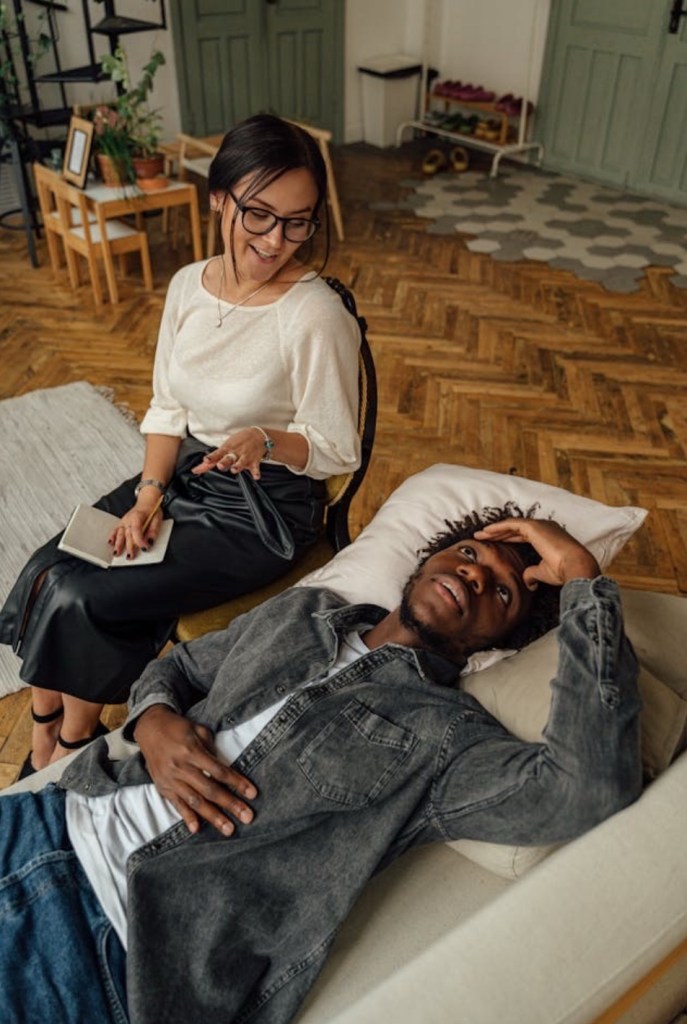
3. Social Challenges – They may feel like they don’t fit in with peers from either culture, leading to loneliness or a need to overcompensate by assimilating fully into one while rejecting the other.
4. Family Struggles – Parents may expect them to follow traditions that don’t align with their lived experiences, creating a generational and cultural gap.
5. Mental Health Effects – Feelings of isolation, anxiety, or even shame about their background can arise, especially if they face discrimination or pressure to conform.
Ways to Reconnect and Overcome the Disconnection
• Embracing Both Cultures
Encouraging bilingualism, celebrating cultural traditions, and learning family history can help create a sense of pride rather than conflict.
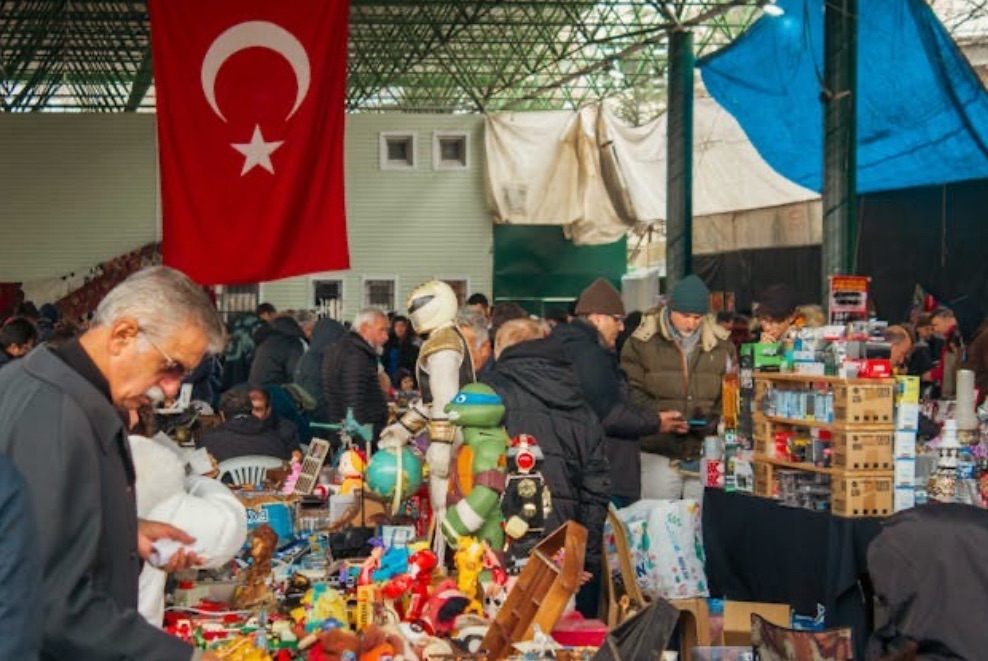
• Finding Community
Connecting with others who share similar backgrounds can validate experiences and provide a sense of belonging.
• Parental Understanding
Open conversations between parents and children about cultural struggles can create mutual respect and reduce pressure.
• Self-Acceptance
Recognizing that having a mixed identity is a strength, not a weakness, can empower children to create their own unique identity.


7 responses to “The country in you and the lost identity of children abroad”
Too often, little kids who pick up on culture and language more quickly end up assuming the burden of interface between the adults of their household and those of the often unforgiving and self conflictive systems into which they have come. A huge load for tiny shoulders.
LikeLiked by 3 people
Very well said, I think it is important for parents to understand how to create a positive balance in those relationships and how to find ways to take off that burden from the children’s shoulders. Communication should be the middle ground between them both not a reason for burden or unintentional hurt. Cultures are meant to unite in difference between both the parents and the children creating a sense of belonging and welcome. It is essential in building a loving home.
LikeLiked by 3 people
Well said! 👌
LikeLiked by 3 people
These challenges are very real.
LikeLiked by 3 people
Yes they are indeed and raising awareness about it is essential, letting everyone else know they aren’t alone 🌸
LikeLiked by 3 people
Impressive
LikeLiked by 2 people
Thank you!
LikeLiked by 1 person