
The traditional art of living encompasses many merits that can enhance one’s well-being. Here are some of the key benefits:
Connection to heritage and culture:
Traditional art of living often reflects the customs, values, and practices of a specific culture or community. By engaging in these traditions, individuals can deepen their connection to their heritage and gain a sense of belonging.

Mindfulness and presence:
Many traditional practices emphasize mindfulness, such as meditation, yoga, or tea ceremonies. These activities encourage individuals to be present in the moment, leading to reduced stress and increased mental clarity.
Health and wellness:
Traditional art forms like martial arts, tai chi, or Ayurveda focus on maintaining physical, mental, and emotional well-being. These practices can improve strength, flexibility, balance, and overall health.
Community and social connections:
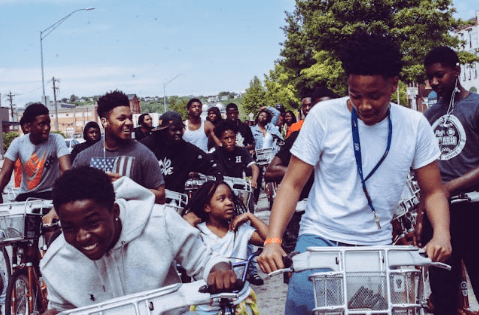
Participating in traditional art forms often involves joining local groups or classes. This fosters a sense of community and provides opportunities for social interaction and support.
Creativity and self-expression:
Traditional art forms like painting, calligraphy, or traditional music encourage creativity and self-expression. Engaging in these activities can boost self-esteem and provide a sense of accomplishment.
Overall, the traditional art of living offers a holistic approach to well-being, incorporating physical, mental, emotional, and social aspects of a person’s life.
Omayma O. Bakhiet


2 responses to “Art of living part one: Traditional.”
Creativity always makes us happy and proud well shared.
LikeLiked by 1 person
Thank you for your comment! And yes I very much agree.
LikeLiked by 1 person