We often think of art as decoration, something that fills empty walls or passes time in a museum. But thoughtful art does something far less obvious and far more powerful: it changes how we move through the world.
Not loudly. Not instantly. But persistently.
The first shift happens in how we see. Thoughtful art disrupts the autopilot most of us live on. A painting, a photograph, or even a street mural can interrupt your assumptions and make you question what you thought was obvious. Suddenly, the familiar feels strange again. And once that switch flips, it doesn’t fully turn off, you begin to notice more, question more, and accept less at face value.

Then comes the emotional shift.
Good art doesn’t just show feelings; it transfers them. You don’t just observe sadness, tension, or joy, you experience it, often without explanation. Over time, this builds a kind of emotional vocabulary. You become better at recognizing what you feel and, just as importantly, what others might be feeling. In a world where misunderstandings are common, that’s no small change.
Thoughtful art also has a way of nudging our values. It can challenge social norms, highlight injustice, or expose contradictions in everyday life. You might walk past a piece of art and forget it consciously, but its question lingers: Why is the world this way? That question can quietly influence choices, what you support, what you reject, and what you’re willing to speak up about.

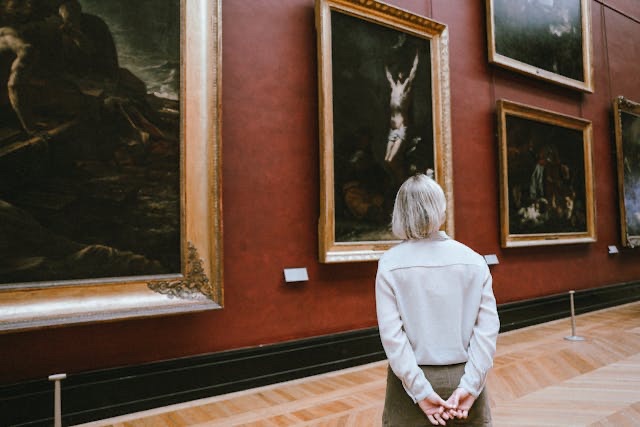
There’s also something almost rebellious about the way art encourages slowness. In a culture obsessed with speed, productivity, and constant stimulation, standing still and truly looking at something becomes an act of resistance. Thoughtful art asks for your time, not because it demands it, but because it rewards it. And once you get used to that slower rhythm, you may start craving it elsewhere in life.
Perhaps most importantly, art helps us understand ourselves. It acts like a mirror, but not a literal one. Instead of reflecting your appearance, it reflects your thoughts, fears, memories, and beliefs. You may not always like what you see, but you’ll recognize it. And that recognition is where self-awareness begins.
The impact of thoughtful art isn’t dramatic. It doesn’t overhaul your life overnight or hand you clear answers. Its influence is quieter, more subtle, like a shift in perspective that slowly changes how everything else looks.
And maybe that’s the point.
Because in the end, thoughtful art doesn’t tell you how to live. It simply makes you more aware that you are living, and that alone can change everything.

