

From Personal Relationships to Professional Cultures
Trust does not begin in boardrooms, classrooms, or policies.
It begins quietly between people.
Long before trust becomes a leadership value or an organizational goal, it is shaped in everyday human interactions: how we listen, how we respond, how we show up when it matters, and how we repair when we fall short.
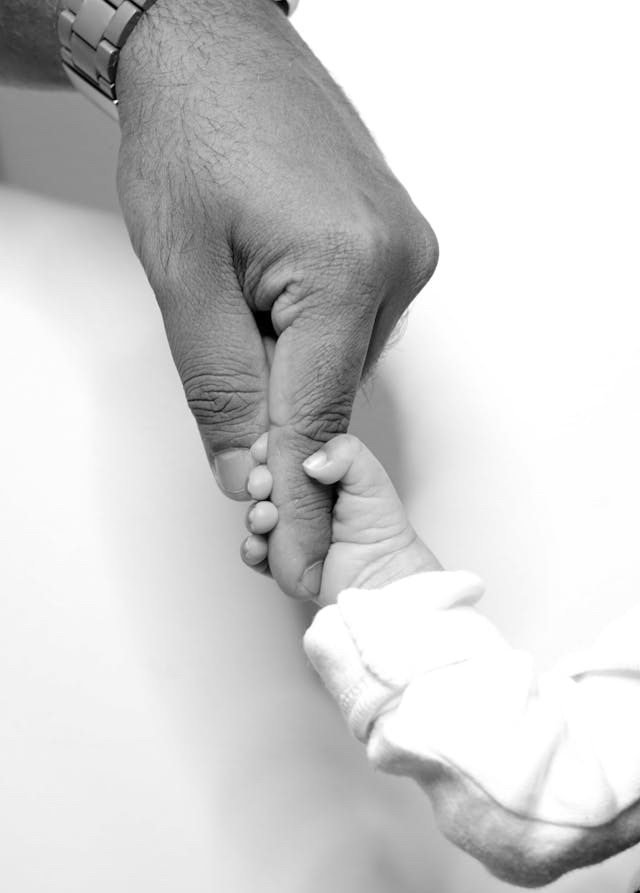
Trust Is First a Human Experience
In personal relationships, trust grows when people feel safe to be real.
Safe to speak without being dismissed.
Safe to make mistakes without being shamed.
Safe to be vulnerable without fear of consequence.
We trust those who:
• listen to understand, not to correct
• respond with consistency rather than emotion
• hold our confidence with care
• respect boundaries, even when no one is watching
Trust, at its core, is the feeling that someone will not misuse their power over us.
How Trust Is Quietly Built or Broken
Trust is rarely built through big promises.
It is built through small, repeated moments.
It grows when words and actions align.
It weakens when intentions are good but behavior is careless.
It breaks not only through betrayal, but through absence, inconsistency, and silence.
What breaks trust is not the mistake itself, but the silence, defensiveness, or avoidance that follows.

The Invisible Bridge to Professional Trust
What follows us to work is not our personal stories
it’s our learned patterns.
In professional spaces, people carry the same human needs:
• to be respected
• to be treated fairly
• to feel psychologically safe
• to know that speaking up will not come at a personal cost
When organizations struggle with trust, it is rarely because of missing policies.
It is because human behavior does not match stated values.
At its core, culture is not what an organization says it values.
Culture is what people experience every day in their interactions.
Teaching Trust in Professional Spaces
To teach trust professionally is not to demand compliance
it is to model clarity, transparency, and fairness.
It means explaining why decisions are made, not hiding behind authority.
It means setting boundaries that protect people, not power.
It means acknowledging impact, not just intent.
People learn trust by watching how leaders behave when no one is applauding.
Building Trust Through Systems and Behavior
Professional trust grows when systems reflect human dignity:
• safeguarding that prioritizes people over reputation
• accountability that is consistent, not selective
• feedback that is welcomed, not punished
Trust is strengthened when leaders do what they say especially when it is inconvenient.

Growing Trust Through Repair
No relationship ,personal or professional, is perfect.
What matters is how trust is repaired.
Repair requires:
• ownership without defensiveness
• listening without interruption
• change without excuses
Organizations that know how to repair trust don’t fear mistakes
they grow stronger because of them.
The Truth That Connects It All
Trust is not a soft skill.
It is a living infrastructure.
The way we treat one person teaches them how safe the system is.
The way we respond to vulnerability defines the culture we create.
When trust is taught, built, and grown, first between people, then within systems,
it becomes not just a value, but a legacy.

