

In recent years, early childhood education (ECE) has moved beyond narrow academic preparation toward a more comprehensive and human-centered vision. The holistic approach to ECE recognizes that children are not miniature adults and not collections of isolated skills—they are whole human beings whose emotional, social, cognitive, physical, and moral development unfolds as one integrated process.
Research in developmental science, neuroscience, psychology, and education increasingly affirms this truth: children learn best when we nurture the whole child.

What Is the Holistic Approach?
A holistic approach to early childhood education is grounded in the belief that development is interconnected. A child’s ability to think, regulate emotions, move, speak, cooperate, imagine, and solve problems develops in unison.
Holistic education, therefore:
• Supports social–emotional development as the foundation of learning
• Encourages active, play-based, inquiry-driven cognitive growth
• Cultivates identity, culture, values, and moral reasoning
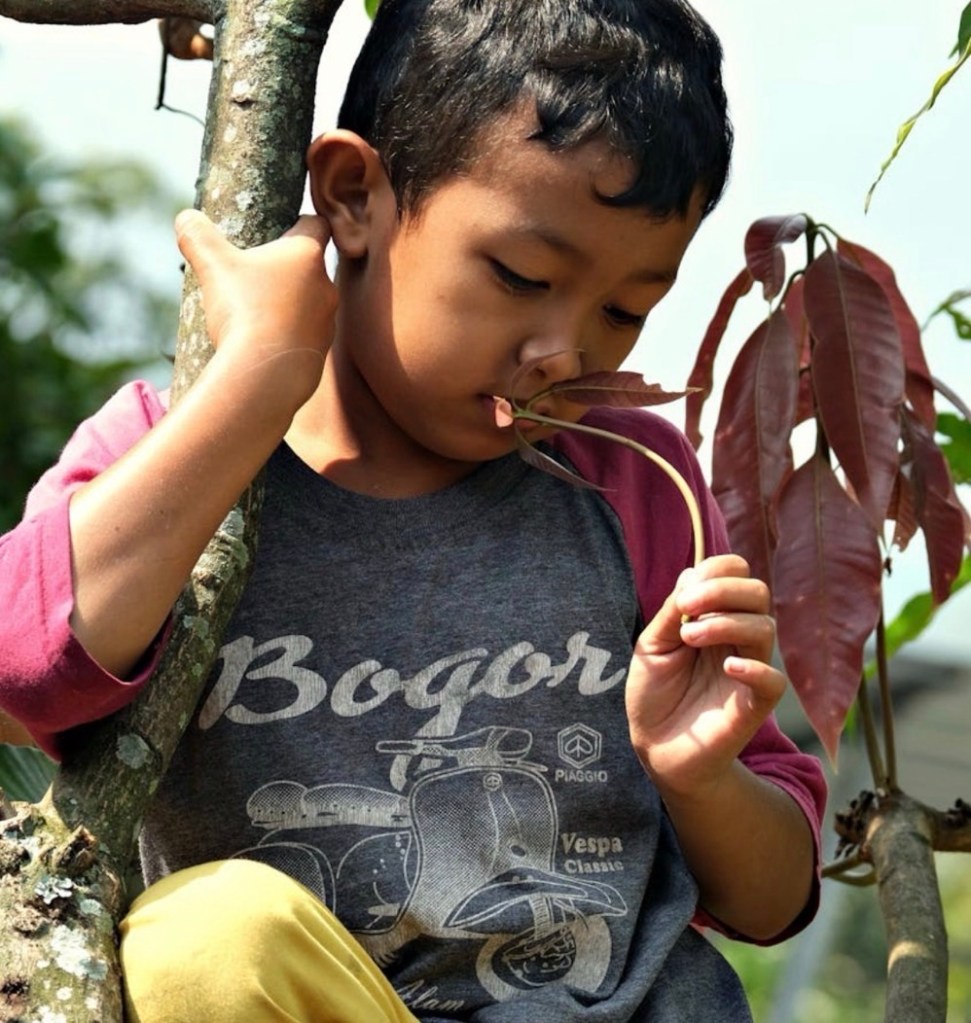
• Prioritizes movement, sensory exploration, and connection with nature
• Involves families and the wider community
• Views the child as capable, curious, and inherently dignified
This approach aims not only to prepare children for school, but to prepare them for life.
Why Holistic Education Matters

Scientific Evidence
The holistic approach is not a philosophy alone—it is grounded in growing evidence from multiple fields.
A. Interconnected Development: Emotions, Cognition, and Learning
Research shows strong links between emotional security and cognitive performance.
Children who feel safe, supported, and regulated show improved:
• Problem-solving
• Language development
• Memory
• Executive function
The Harvard Center on the Developing Child emphasizes that “skills such as self-regulation and executive functioning develop through warm relationships and responsive caregiving”—core components of holistic practice.
B. Play and Exploration Boost Cognitive and Social Growth
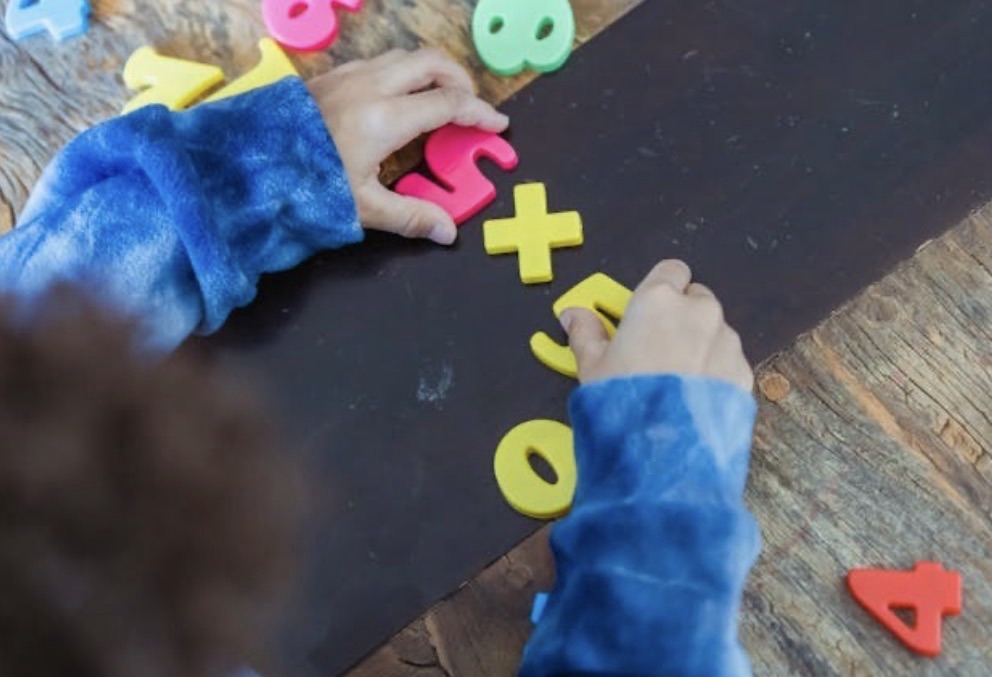
Multiple studies confirm that play-based, exploratory learning leads to stronger long-term outcomes than formal instruction in early years.
A large meta-analysis found that high-quality early childhood programs improved:
• Language skills
• Executive functions
• Social-emotional skills
• Motor development
This reflects the holistic principle that learning emerges from interaction, sensory experience, and curiosity, not rote memorization.

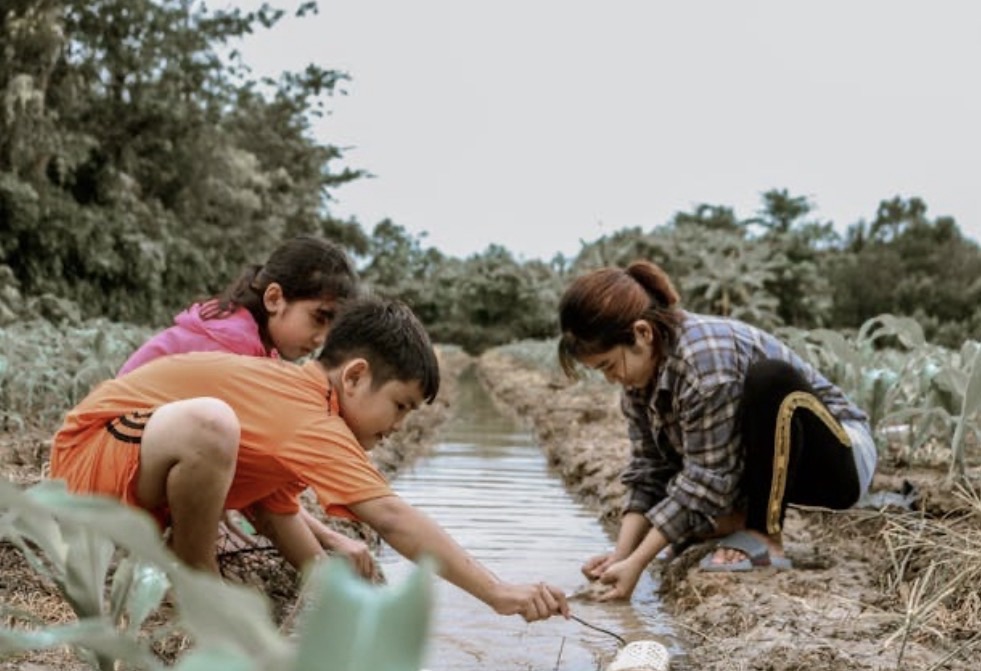
C. Nature-Rich Settings Strengthen Well-being and Learning
A 36-study systematic review found that children in nature-based preschools had:
• Higher self-regulation
• Better social interaction
• Greater emotional resilience
• Enhanced cognitive functioning
The review concluded that nature-rich environments support “the whole-child development,” aligning directly with holistic educational principles.
D. Multicomponent Interventions Show Broad Developmental Gains
A major cluster-randomized trial in Bangladesh tested a holistic package (nutrition, stimulation, emotional support, caregiver training). Children showed significant improvements across:
• Cognitive development
• Motor skills
• Emotional reactivity
• Language growth
When multiple domains were supported together, outcomes strengthened—strong evidence for holistic, integrated approaches.
The Pillars of a Holistic Early Childhood Program
Emotional and Relational Security
Holistic learning starts with relationships.
Secure attachment and supportive adults shape a child’s capacity to explore, focus, and self-regulate.
Educators intentionally build:
• Warm, responsive rapport
• Emotional literacy
• Conflict resolution skills
• A culture of safety and belonging
Meaningful Cognitive Engagement
Instead of pushing early academics, the holistic approach cultivates deep thinking through:
• Inquiry
• Open-ended play
• Problem-solving
• Storytelling
• Hands-on exploration
This strengthens the brain’s natural architecture for lifelong learning.
Physical, Sensory, and Motor Development
Movement and sensory experiences fuel neurological growth.
Holistic classrooms provide:
• Daily outdoor play
• Fine- and gross-motor challenges
• Sensory materials (water, sand, natural objects)
• Freedom to climb, run, build, and feel
When the body learns, the brain learns.
Moral, Cultural, and Identity Development
Education is not just about skill, it’s about shaping the person.
Holistic programs nurture:
• Empathy, kindness, cooperation
• Cultural identity and heritage
• Ethical awareness
• Sense of purpose and responsibility
• Respect for nature and community
Children develop inner strength as well as social understanding.

The Environment as a Teacher
Holistic educators design learning ecosystems that inspire exploration:
• Natural materials
• Soft colors and calm organization
• Meaningful learning zones
• Access to nature
• Flexible routines
The environment becomes the third teacher, reinforcing beauty, curiosity, and autonomy.
The Role of Families and Community
Holistic education understands that children thrive when their worlds are connected.
Programs collaborate with families to:
• Integrate cultural traditions
• Share observations and goals
• Support home learning practices
• Strengthen community identity
Children feel a deeper sense of belonging when the home–school relationship is strong.

Why Holistic Education Is Essential for Today’s Children
Children growing up in the digital era face:
• Increased stress
• Lower physical activity
• Overstimulation
• Reduced social interaction
Holistic education offers the balance they need.
It builds children who are:
• Emotionally grounded
• Physically healthy
• Socially connected
• Intellectually curious
• Morally aware
• Culturally rooted
• Resilient and adaptable
This is the kind of childhood that supports lifelong well-being.
Building Education Around the Child, Not the System
A holistic approach to early childhood education is both scientifically supported and deeply human. It aligns with how children naturally grow—through relationships, play, movement, culture, curiosity, and meaning.
When we educate the whole child, we build the foundation for a generation that is not only academically capable, but also empathetic, creative, confident, resilient, and connected to their community.
This isn’t just good practice—it is good humanity.

