
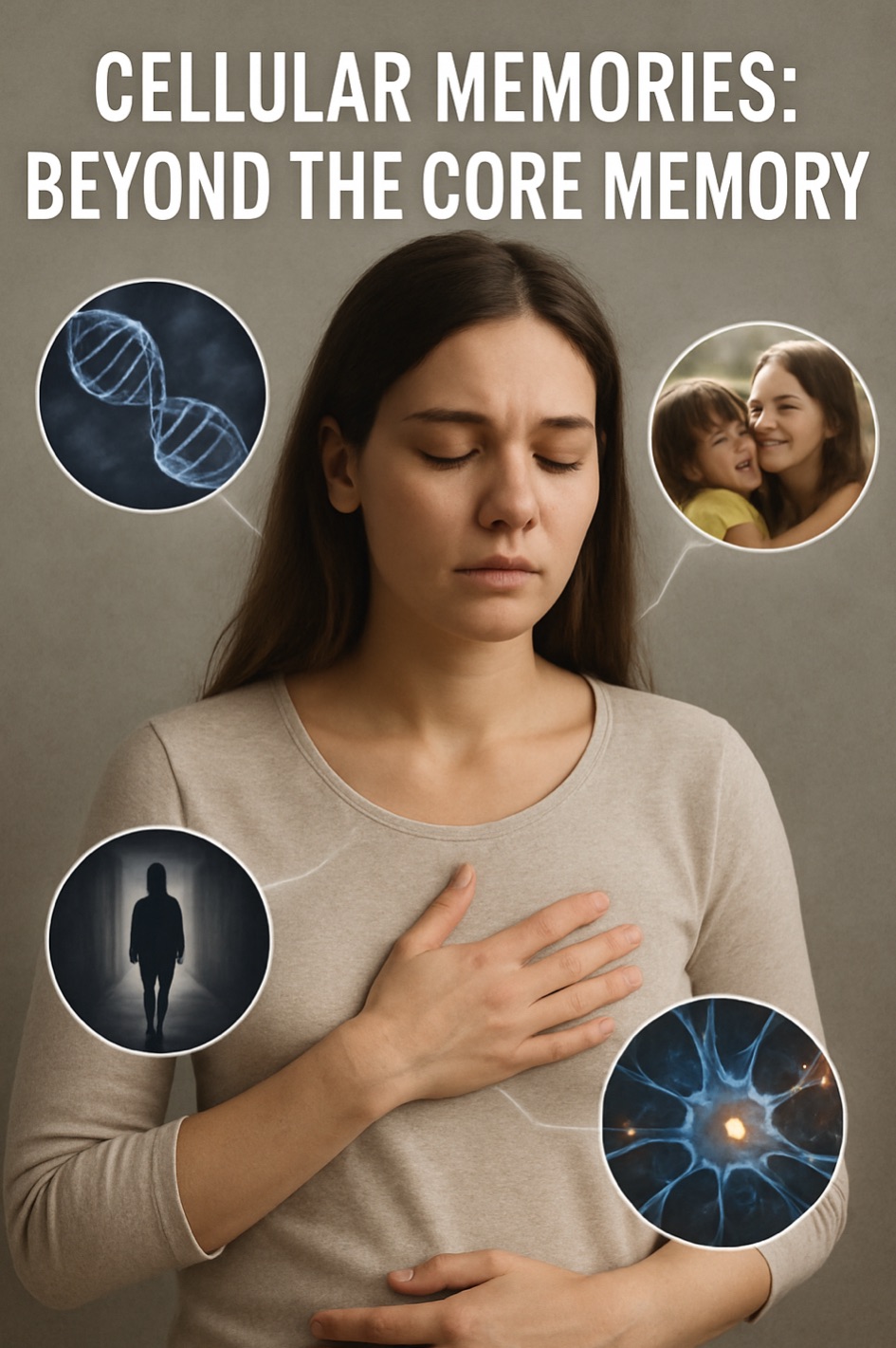
Beyond the Core Memory
How the Body Remembers What the Mind Might Forget
When we think of memory, we often picture moments locked in the mind—core memories shaped by joy, trauma, or pivotal life events. But science and experience increasingly suggest that our cells, not just our brain, may also hold memories. This idea, known as cellular memory, opens new doors in understanding how our bodies carry the past, often silently shaping how we live, react, and heal.
🧬 What Is Cellular Memory?
Cellular memory is the theory that individual cells in our body—not just neurons in the brain—retain information from our experiences. This could be physical (like muscle memory), emotional (stored trauma), or even genetic (passed down through generations). While it’s still a debated area in science, stories and emerging research hint at something powerful beneath the surface.

⚙️ Different from Core Memory
Core memories are consciously accessible, emotionally loaded events stored in our brain’s memory centers—like the hippocampus or amygdala. Cellular memory, on the other hand, is more subconscious. It doesn’t always come as thoughts or images. Instead, it may emerge as:
• A sudden tightness in the chest during conflict
• Unexplained fear in certain places
• Chronic pain after emotional trauma
• Intuition or deep reactions to people or events
It’s the body’s silent language—a whisper of the past living in the present.
🧠 Examples of Cellular Memory in Real Life
• Organ transplant stories: Some recipients report changes in preferences, dreams, or behaviors that mirror their donors.
• Trauma healing: Therapists working with somatic (body-based) techniques often help people release stored emotions physically, not just mentally.
• Inherited stress or resilience: Epigenetic studies show that trauma, like war or famine, can alter how genes are expressed—and this can be passed to offspring.

How Cellular Memories Affect Our Lives
🌱 • Reactions without logic: We may feel triggered by things we don’t remember but that our body does.
• Repetitive patterns: The same emotional loops may return, even when the mind wants to move on.
• Healing through the body: Practices like yoga, breath work, massage, or even movement therapies can release emotions stored in the cells.
💡 What Can We Do with This Awareness?
Instead of asking, “What’s wrong with me?” we might start asking:
“What is my body remembering that my mind forgot?”
Awareness of cellular memory invites us to treat the body with the same compassion as the mind. It reminds us that healing isn’t just mental—it’s physical, emotional, even ancestral.
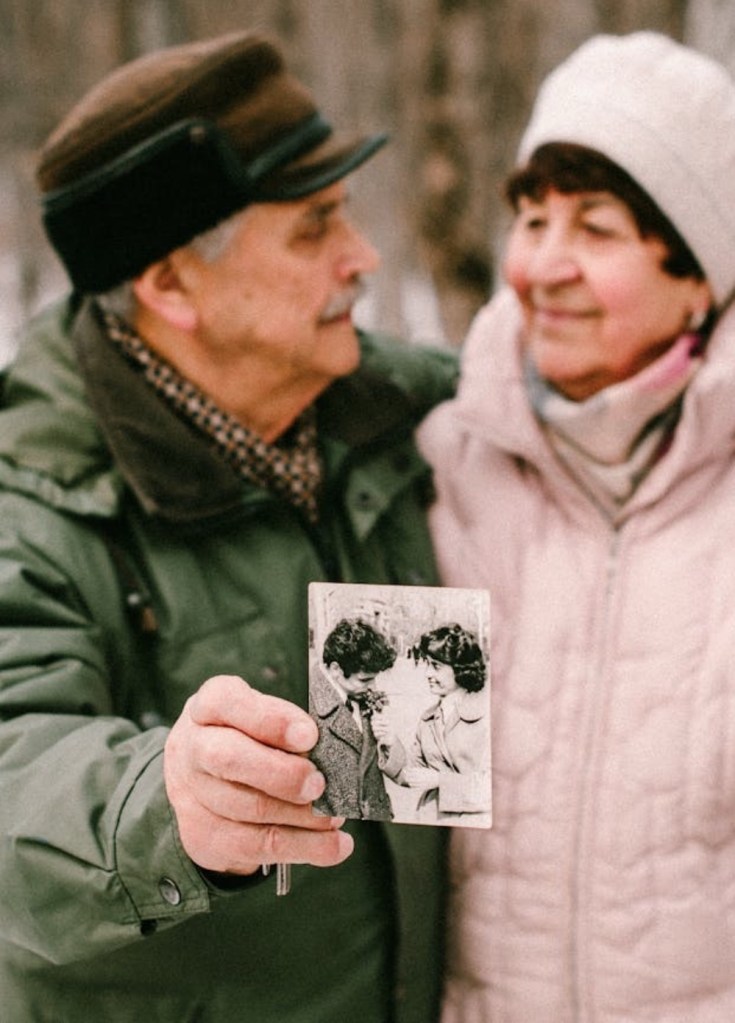
We are walking archives—not just of thoughts, but of touch, sound, pain, joy, and memory.
Our cells carry the echoes of a lifetime. And in learning to listen, we might finally learn to heal.


5 responses to “Cellular Memories”
fantastic
LikeLiked by 3 people
Thank you for your support!
LikeLiked by 1 person
Zodiac-crafted articulation
LikeLiked by 2 people
An unknown world for me, I’m very curious about it. Thanks.
LikeLiked by 3 people
I’m glad you find it interesting! Enjoy exploring.
LikeLiked by 2 people