

Betrayal cuts deeper than most emotional wounds. Whether it comes from a partner, a friend, or a family member, the pain of being betrayed shakes us at our core. But why does it hurt so much? And what happens to us psychologically when someone we trusted lets us down?

Betrayal is deeply painful because it violates trust—the foundation of human connection. According to psychology, betrayal disrupts our attachment bonds and creates cognitive dissonance, leading to confusion and emotional distress.
Forms of betrayal go beyond infidelity and include lying, sharing secrets, emotional withdrawal, and sudden coldness—all of which damage trust.
Psychological effects of betrayal often mirror trauma, causing hyper-vigilance, emotional numbness, low self-esteem, difficulty trusting, and symptoms of anxiety or depression.
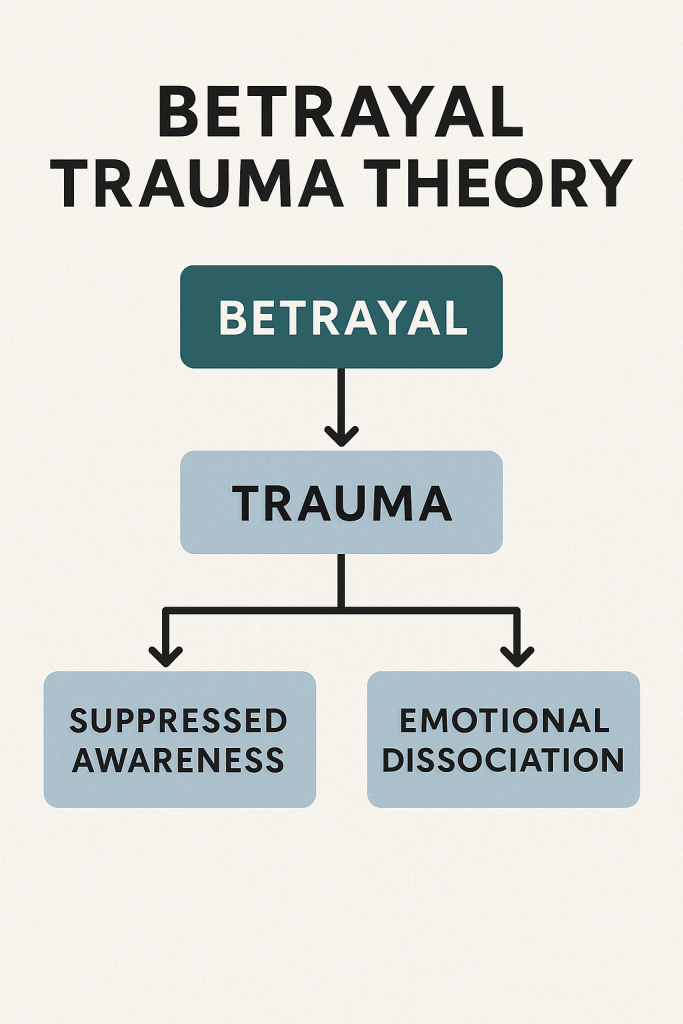
Betrayal Trauma Theory explains how victims may suppress awareness of betrayal to cope.
Healing from betrayal involves validating your pain, prioritizing self-care, seeking support, setting boundaries, and, if ready, practicing forgiveness. Recovery is personal and non-linear.
Saving the relationship is possible if the betrayer takes full accountability, communicates transparently, and both partners work to rebuild trust. Without this, reconciliation may be harmful.

Final Thoughts
Hidden betrayal is a quiet storm—it brews slowly, leaving emotional confusion in its wake. But you don’t have to ignore your instincts. Trusting yourself is the first step toward emotional safety and clarity.
Ultimately, healing after betrayal leads to stronger boundaries, deeper self-awareness, and reclaimed peace.


6 responses to “The Psychology of Betrayal Why It Hurts and How to Heal”
Well written
LikeLiked by 2 people
Glad you liked it!
LikeLiked by 1 person
Well said ❤️
LikeLiked by 2 people
Thank you so much. I’m glad you like it 🌷
LikeLiked by 1 person
Another step along your zodiac path…
LikeLiked by 1 person
That’s interesting!
LikeLike