

Faith and ritual play significant roles in modern life, serving as anchors for personal identity, community bonding, and spiritual reflection. Ramadan, observed by millions of Muslims worldwide, is a prime example of how faith and ritual remain relevant in today’s fast-paced, secular-influenced world.
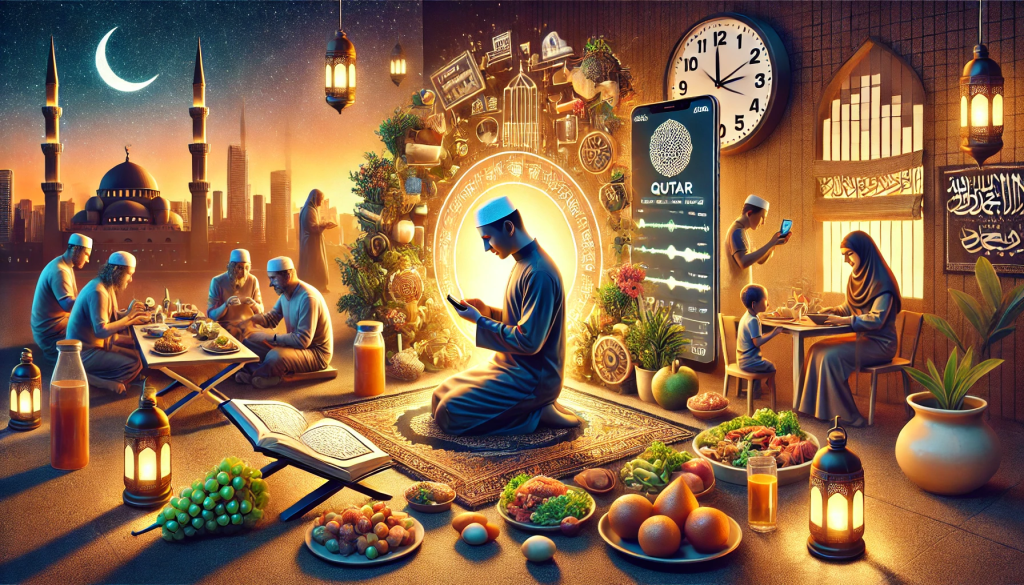
Ramadan: A Balance of Faith and Modern Life
Ramadan is not just about fasting from dawn to dusk; it is a deeply spiritual time that emphasizes self-discipline, gratitude, charity, and reflection. In a modern context, Ramadan intersects with work schedules, digital distractions, and diverse social environments, yet it remains a transformative experience.
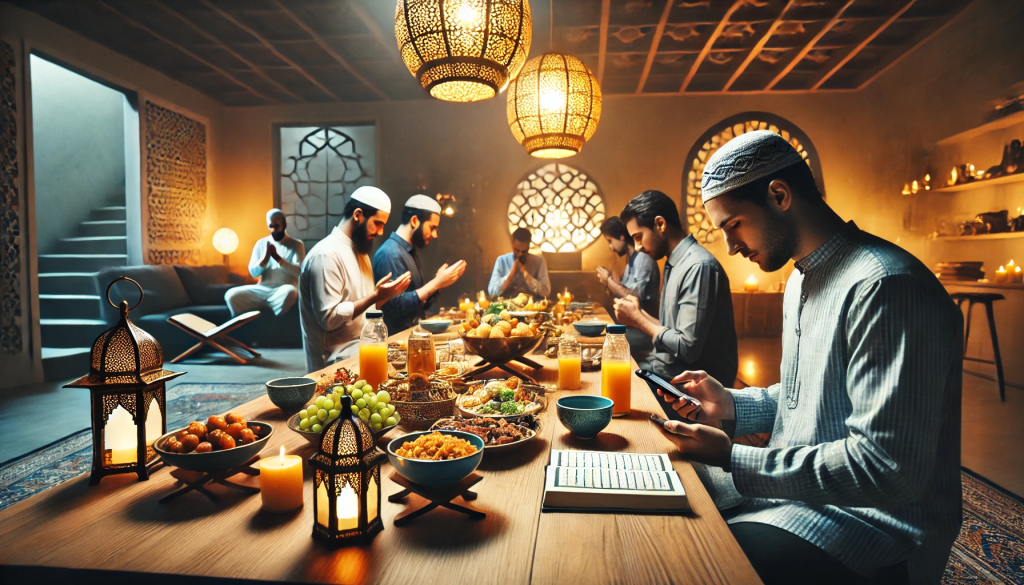
Key Aspects of Ramadan in Modern Life:
1. Spiritual Renewal Amidst a Busy World
• Despite the demands of modern life, many Muslims adjust their routines to prioritize prayer, Quranic recitation, and self-reflection.
• Technology aids spiritual practices, with apps for prayer times, Quran readings, and virtual religious discussions.
2. Community & Connection in a Digital Age
• Iftar gatherings (breaking the fast) bring families and communities together, reinforcing social bonds.
• Online platforms allow for virtual religious discussions, charity fundraising, and global solidarity, helping Muslims connect beyond physical limitations.
3. Self-Discipline in a Consumer-Driven Society
• Fasting challenges the instant gratification culture, promoting mindfulness and self-control.
• It fosters empathy for those in need, encouraging charitable giving and community service.
4. Work-Life Balance During Ramadan
• Many companies in Muslim-majority countries adjust work hours, while Muslims in non-Muslim societies find ways to maintain productivity while fasting.
• Some professionals advocate for flexible work arrangements or remote work options during Ramadan.
5. Health and Well-being Considerations
• Fasting has physical benefits, promoting detoxification and mindful eating, but requires careful nutrition and hydration.
• Fitness routines and sleep patterns often shift, requiring balance and planning.
Broader Implications: Faith & Ritual in a Secular World
Ramadan illustrates how religious rituals can adapt to modern life without losing their essence. It highlights the ongoing relevance of faith as a source of meaning, discipline, and community. Other traditions—such as meditation in Buddhism, Sabbath observance in Judaism, or Sunday worship in Christianity—serve similar roles in fostering spiritual well-being in contemporary society.
Ultimately, rituals like Ramadan offer a structured way to reconnect with faith, find inner peace, and strengthen personal and communal values, proving that faith remains a vital force even in an increasingly secular world.


8 responses to “Faith and ritual in modern life context Ramadan as an example”
Thank you for sharing your beautiful faith. This reminds me of the practices of Christian Lent.
LikeLiked by 4 people
Hi Mary!
Thank you for taking the time to read it.
I’m glad you were able to connect and resonate with the post,
🌸
LikeLiked by 3 people
Inspiring article. Happy Ramadan for those who run it. Thank you for subscribing.. I feel happy.
LikeLiked by 3 people
Thank you very much!
Highly appreciate ur kind words and support.
I look forward to seeing your posts!
LikeLiked by 3 people
you praise me too much, I’m afraid praise will make me fall.. hehe.. I’m also ready to see your post, give me new knowledge. thank you omayma🤩🤩
LikeLiked by 4 people
Hahaha thank you! I hope you do enjoy the future posts
LikeLiked by 3 people
sure.. i am enjoy with your article😍🙏
LikeLiked by 2 people
Glad you enjoyed the article!
LikeLiked by 2 people