
Open Educational Resources (OER) are freely accessible, openly licensed materials that support teaching, learning, and research. In the context of early years education, OER offers significant potential for enhancing the quality and accessibility of educational experiences for young children.
Key Features of OER in Early Childhood Education
1. Accessibility and Inclusivity:
OER provides resources that can be accessed by educators, caregivers, and parents, regardless of their financial situation. This is especially valuable in early education, where equitable access to quality materials is crucial for children’s foundational development.
2. Customization and Adaptability:
Early childhood educators can adapt OER to align with local cultural contexts, specific developmental milestones, or individual learning needs. For instance, activities focused on sensory play or phonemic awareness can be tailored for different age groups or learning environments.
3. Collaboration and Sharing:
OER encourages collaboration among educators, enabling them to share best practices, lesson plans, and creative ideas. This fosters a community-driven approach to enhancing early childhood education.
Benefits of OER in Early Years Settings
1. Cost-Effective Solutions:
High-quality early years resources can be expensive, but OER eliminates cost barriers, ensuring all children benefit from engaging learning opportunities.
2. Promotes Professional Development:
Teachers can access free training modules, guides, and research on child development. This supports educators in staying updated on best practices and innovative teaching methods.
3. Supports Diverse Learning Needs:
OER offers materials in various formats, such as videos, e-books, or interactive games, catering to diverse learning styles and developmental stages.
Examples of OER in Early Childhood Education
• Interactive Learning Materials:
Websites like Khan Academy Kids provide free apps and games that enhance early literacy and numeracy.
• Printable Resources:
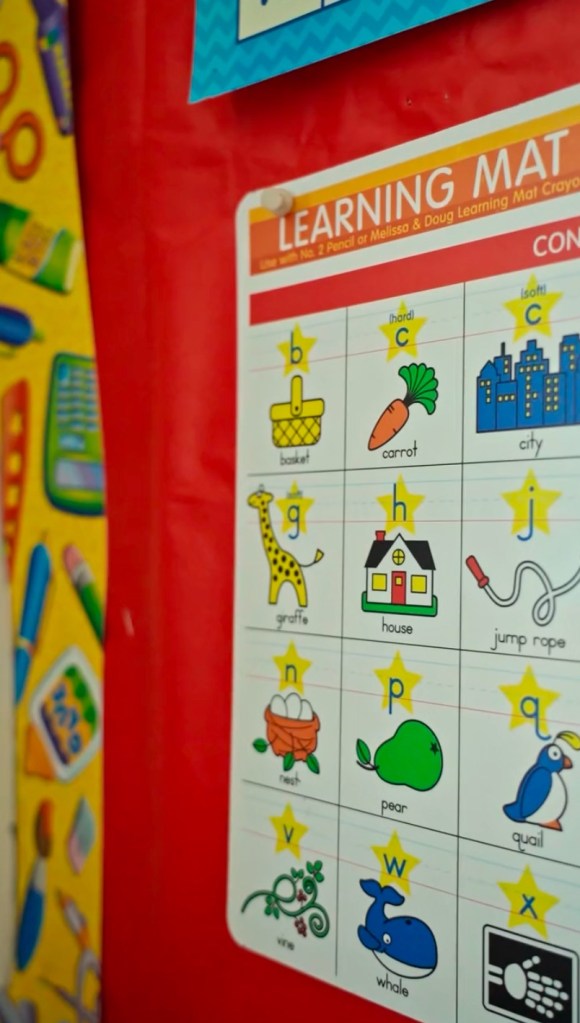
Open access platforms like Twinkl offer free printables for activities like matching, coloring, or story sequencing, supporting fine motor skills and cognitive development.
• Parental Involvement Resources:
OER platforms often include guides for parents, helping them to engage in meaningful play and learning activities with their children.
Challenges of Implementing OER in Early Years Education
1. Digital Divide:
Not all families and institutions have reliable internet access or digital devices to access OER materials.
2. Quality Assurance:
While many OER resources are high quality, some may lack pedagogical soundness or alignment with developmentally appropriate practices.
3. Time Constraints:
Educators may need significant time to curate, adapt, and integrate OER into their teaching plans effectively.
OER has transformative potential for early years education, offering cost-effective, inclusive, and flexible resources that support the holistic development of young learners. While challenges remain, strategic investment in infrastructure, teacher training, and resource curation can ensure that OER becomes a cornerstone of accessible and high-quality early childhood education.

