
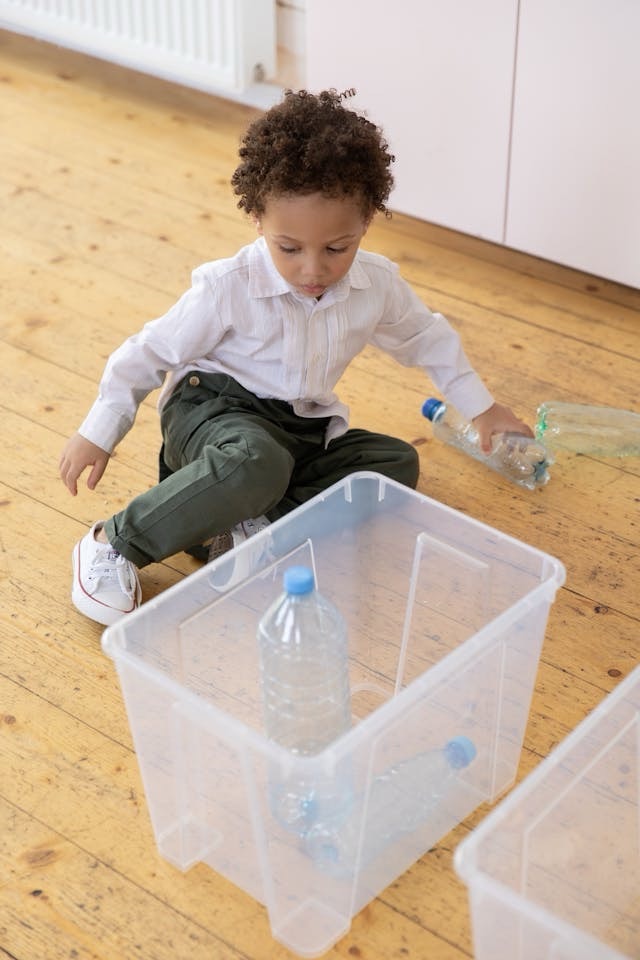
Sustainability in early childhood education involves integrating eco-friendly practices and principles into the learning environment and curriculum, helping young children develop an appreciation for nature and an understanding of environmental responsibility. This can take various forms:
1. Environmentally Friendly Practices in the Classroom
• Recycling and Waste Reduction: Introducing concepts of recycling, composting, and reducing waste by using reusable or eco-friendly materials.
• Resource Conservation: Teaching children to turn off lights when not in use, conserve water, and minimize the use of disposable products.
• Gardening and Outdoor Activities: Encouraging hands-on learning experiences, like growing plants, to help children connect with nature and understand the life cycle of plants and ecosystems.
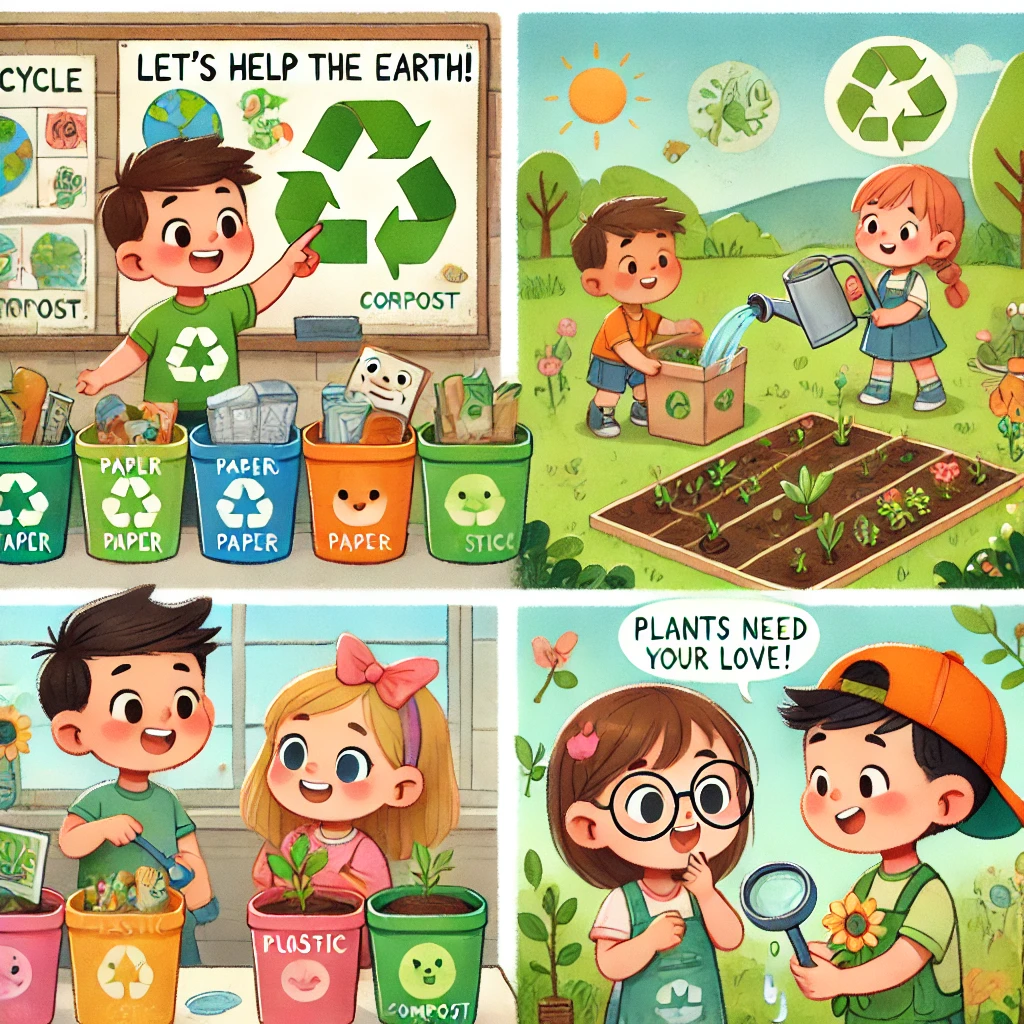
2. Sustainable Curriculum and Activities
• Storytelling and Books on Sustainability: Using books and stories that teach environmental themes, like protecting animals and conserving resources, to foster a love for nature and eco-consciousness.
• Art with Recycled Materials: Craft activities using recycled materials can help children see the potential in repurposing items that would otherwise be waste.
• Exploring Local Ecosystems: Nature walks and exploration help children develop a connection to their local environment, promoting a sense of responsibility for their community.
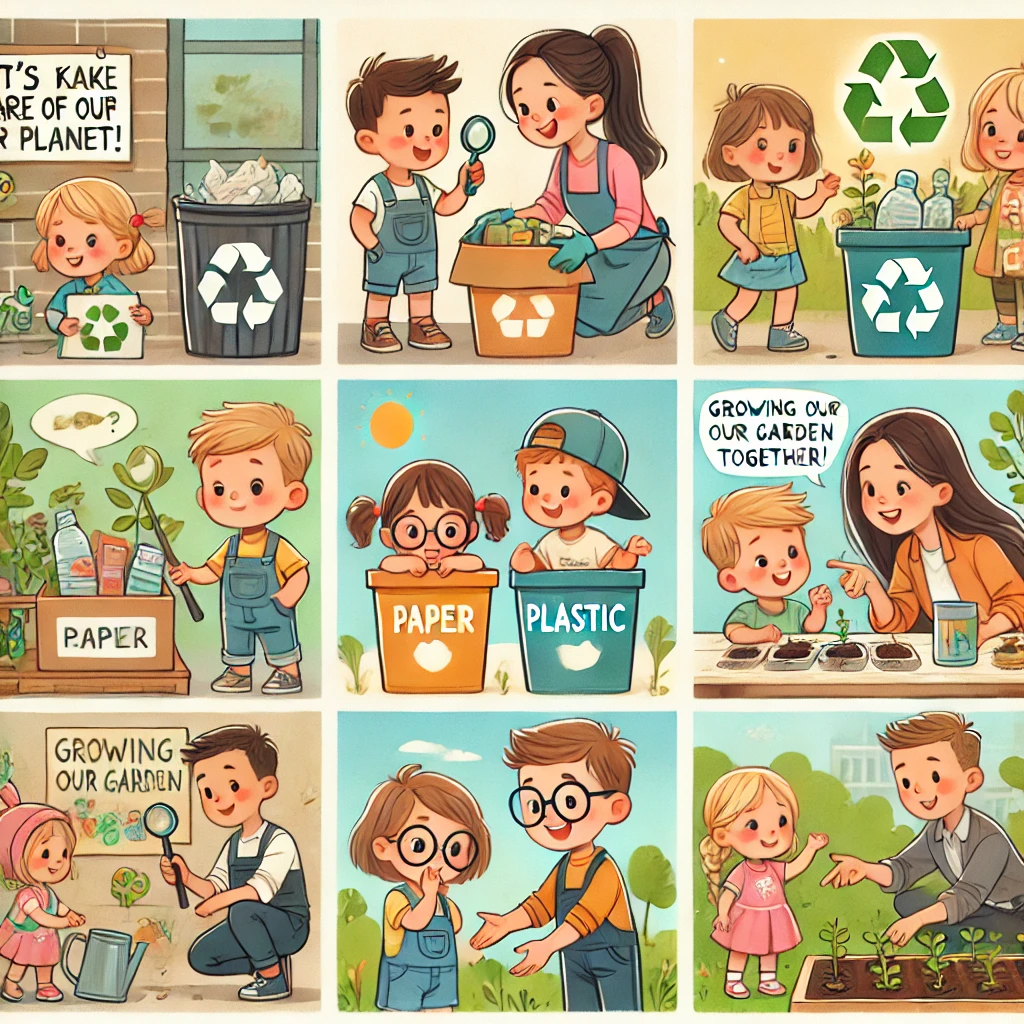
3. Teacher and Family Engagement
• Professional Development: Educators can undergo training to incorporate sustainability in lesson plans and daily practices, equipping them to lead by example.
• Involving Families: Creating a sustainable mindset extends beyond the classroom. Families can be encouraged to practice sustainability at home through events, projects, and tips shared by educators.
By making sustainability a part of early childhood education, children can develop lifelong eco-friendly habits and a deep respect for their environment, empowering them to contribute to a sustainable future. This approach aligns with holistic child development, as it promotes empathy, responsibility, and awareness—qualities that also support their social and emotional growth.

