

The phrase “Our children, our beloved future” is deeply symbolic, reflecting both a profound emotional connection to the next generation and a recognition of their critical role in shaping the world to come. Children represent the continuation of society, culture, and humanity’s progress. They are the ones who will inherit the Earth, carrying forward the legacies of their parents, communities, and the generations before them. As such, how we raise, educate, and care for them directly impacts the kind of future we can expect.
1. Emotional Connection: The word “beloved” implies a deep love and care for children, emphasizing that they are cherished not only by their families but by society at large. It speaks to the nurturing and protective instincts that guide us in ensuring they grow up safe, healthy, and supported.
2. Responsibility: This phrase also serves as a call to action. It reminds us of the responsibility we hold in preparing children for the challenges they will face. It’s not just about providing for their basic needs, but also about instilling values, ethics, and knowledge that will empower them to make positive contributions to society.
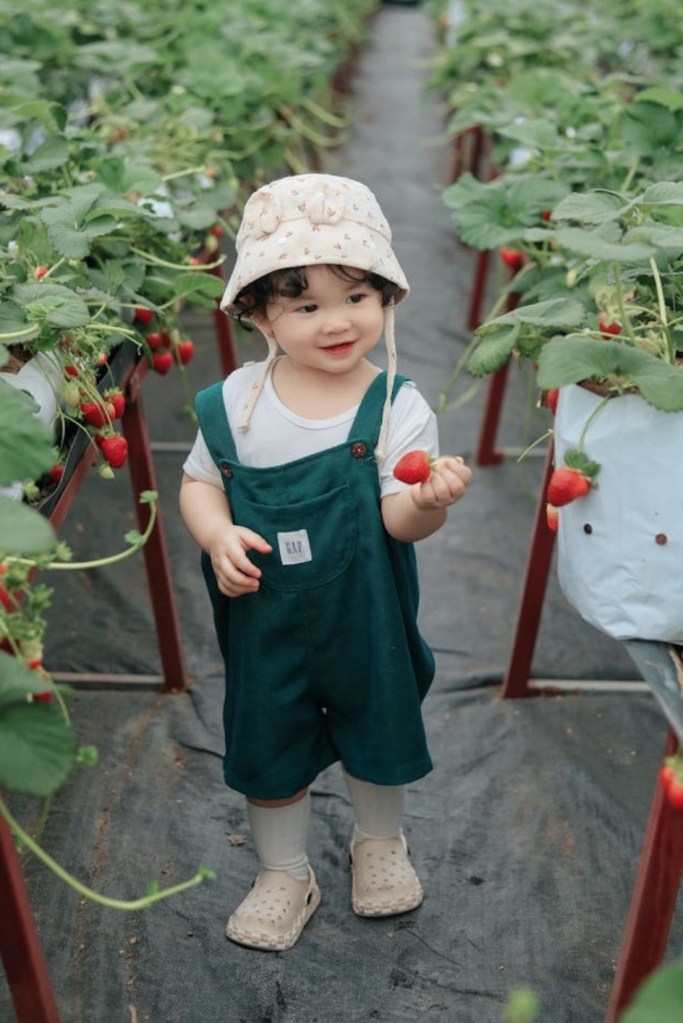
3. Investment in the Future: Children embody potential. The time, resources, and care we invest in them are not just for their individual benefit, but for the collective future of society. Education, healthcare, emotional well-being, and ethical guidance are foundational to shaping capable, compassionate, and informed citizens.
4. Social Reflection: The state of a society can often be measured by how it treats its children. When children are nurtured, educated, and given opportunities, the future is one of hope, innovation, and growth. Conversely, if they are neglected or marginalized, societal problems such as inequality, crime, and instability may arise.
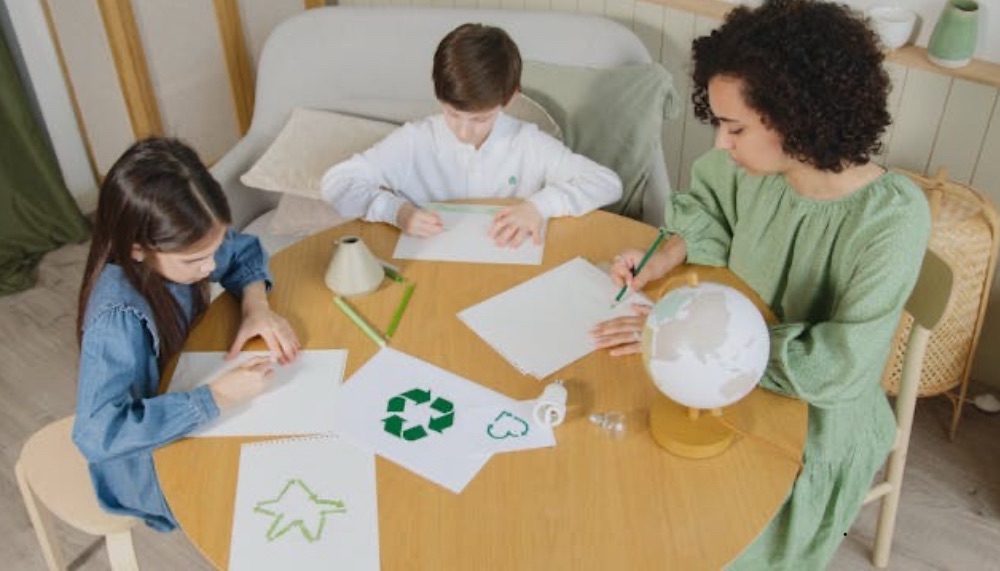
5. Environmental
Stewardship: Beyond societal concerns, the future children inherit is also linked to environmental sustainability. Teaching them to respect and care for the planet is crucial to ensuring that the resources and beauty of the Earth remain intact for future generations.
In essence, this phrase emphasizes that our current actions—whether in the realm of parenting, education, social policy, or environmental stewardship—will have lasting implications for the future. Our love for children and our dedication to their well-being is directly tied to the kind of world they will create and live in.

