
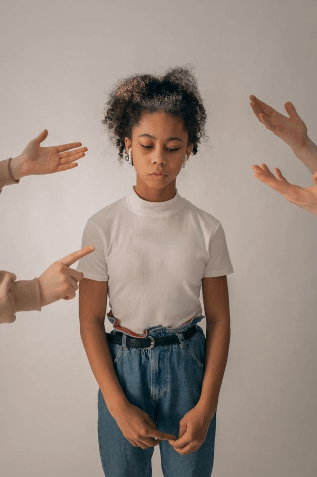
The line between discipline and entertainment can often be blurred, especially in contexts like education or skill development. Here’s a breakdown of how the two can intersect and influence each other:

- Educational Context
Discipline:
Structured learning environments where there is a focus on achieving specific educational goals. Examples include classroom settings, formal training programs, and standardized testing
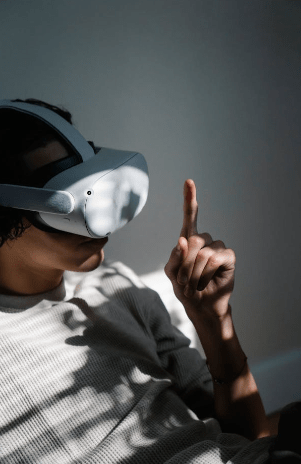
Entertainment :
Using engaging methods to make learning enjoyable, such as educational games, interactive activities, and multimedia resources.
Intersection :
Edutainment, where educational content is delivered through entertaining means, like educational TV shows, interactive learning apps, and gamified learning platforms.
Skill Development
Discipline :
Rigorous practice and adherence to routines and techniques to master a skill. This includes regular training, repetition, and adherence to set protocols.
Entertainment:
Activities that make the process of learning a skill enjoyable, such as using fun exercises, creative projects, or competitions.
Intersection:
Programs like dance classes that incorporate fun music and routines, or sports practices that include games and playful competitions.

Workplace Training:
Discipline: Structured professional development programs, mandatory training sessions, and adherence to company policies.
Entertainment:
Team-building activities, interactive workshops, and engaging presentations.
Intersection :
Gamification of workplace training, where employees learn through game-like scenarios and simulations.
In essence, while discipline focuses on structure, rigor, and the attainment of specific goals, entertainment emphasizes engagement, enjoyment, and creativity. When effectively combined, they can enhance motivation, retention, and the overall learning experience.
Author:
Omayma O. Bakhiet.
8/07/2024.

