

Diversity is a crucial aspect of early childhood education organizations as it plays a vital role in shaping the experiences and development of young children. When we talk about diversity in early childhood education, it encompasses various dimensions, including race, ethnicity, culture, language, socioeconomic status, ability, and gender, among others. Embracing diversity from the inside out means fostering an inclusive environment that values and celebrates differences among children, families, and staff members.
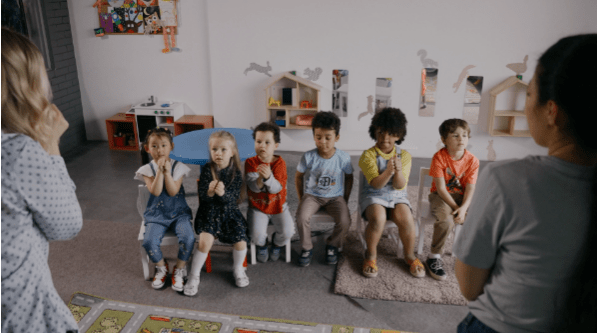
Here are some key considerations for promoting diversity from the inside out in early childhood education organizations:
- Cultivate a diverse staff: Hiring a diverse team of educators and administrators is essential to creating a culturally responsive and inclusive environment. Ensure that recruitment processes are unbiased and actively seek candidates from different backgrounds. A diverse staff brings a range of perspectives, experiences, and skills that enrich the learning environment.
- Professional development and training:
Provide ongoing professional development opportunities for staff to enhance their cultural competency and understanding of diversity issues. Offer training on topics such as anti-bias education, multiculturalism, and inclusive teaching practices. This helps educators become more aware of their own biases and equips them with tools to create inclusive classrooms. - Curriculum and materials:
Incorporate diverse perspectives, cultures, and experiences into the curriculum and learning materials. Use books, toys, and other resources that reflect the diversity of the children in your program. Ensure that the curriculum represents a broad range of cultural traditions, languages, and family structures. - Family and community engagement:
Foster partnerships with families and communities to promote diversity and inclusion. Encourage families to share their cultural traditions, languages, and customs with the children and involve them in classroom activities. Create opportunities for families to connect with one another and celebrate diversity together. - Inclusive policies and practices: Review and revise organizational policies to ensure they promote diversity and inclusivity. This may include policies related to enrollment, language access, discipline, and family involvement. Consider the needs of diverse families when developing policies and practices to ensure they are inclusive and equitable.
- Intentional classroom practices: Promote inclusive practices within the classroom environment. Create opportunities for children to learn about and appreciate different cultures, identities, and abilities. Use open-ended materials that allow for diverse forms of expression and play. Encourage positive peer interactions and teach children to respect and value differences.
- Intentional classroom practices: Promote inclusive practices within the classroom environment. Create opportunities for children to learn about and appreciate different cultures, identities, and abilities. Use open-ended materials that allow for diverse forms of expression and play. Encourage positive peer interactions and teach children to respect and value differences.
Driscoll Model of Reflection
Remember, promoting diversity from the inside out is an ongoing process that requires commitment and active engagement from all stakeholders. By creating an inclusive and diverse early childhood education organization, you lay the foundation for children to develop positive attitudes, empathy, and respect for others, which will serve them throughout their lives.
written by Omayma o. Bakhiet.

